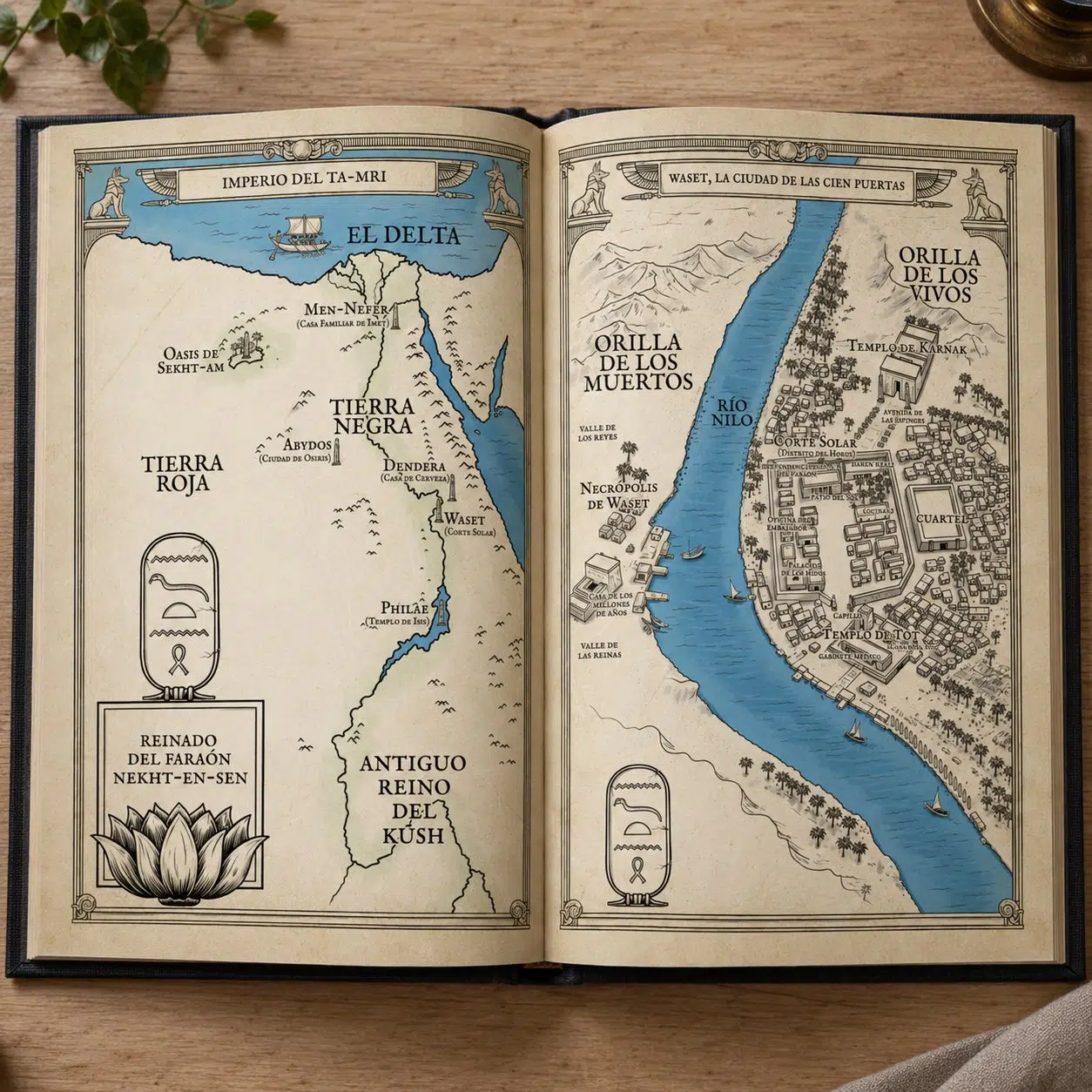
Children’s illustration is illustration created for books, picture books, magazines and other materials aimed at children. Its role is not just to decorate the text: it helps children understand the story, sparks their imagination, conveys emotions and, for early readers, carries a large part of the narrative.
Let’s talk about the importance of children’s illustration. Within the vast world of illustration, art made for young audiences has unique and essential characteristics. As a professional illustrator, I will walk you through what you need to know to understand it.
Note: this article is an informative guide. If you want to commission illustrations for a children’s book, you can see examples of my work and how we can collaborate on my children’s illustration page.
Children’s illustration

What defines children’s illustration?
It is designed specifically for children, and it goes far beyond simply accompanying the text. These images complement the written story and, in many cases, are able to tell the story on their own, especially for children who cannot read yet or are still learning. In this way, illustrators do not only use their artistic skills: they become visual storytellers who convey emotions, ideas and adventures through their drawings.
Its importance lies in its ability to capture children’s attention and spark their curiosity through images that are both appealing and easy to understand. These illustrations are colourful and full of life, but they are also designed with simplicity and clarity in mind, so that young readers can easily follow what is happening in the story.
It is not limited to depicting characters and settings; it also plays an educational role by introducing themes and concepts in a visually accessible way. For example, illustrations of animals in their natural habitat help children learn about wildlife, and illustrations showing characters interacting can teach important skills such as teamwork and empathy.
In short, this kind of illustration not only entertains but also educates and enriches children’s reading experience, giving them a unique way to explore imaginary worlds and better understand the world around them. Illustrators therefore play a crucial role in creating these visual worlds, making sure every image tells a story that resonates deeply with its young audience.
The importance of illustrated books for children
Illustrated books for children do not only tell stories; they also educate and entertain through images. Illustrators do not just draw: they compose entire pages so that every visual and written element works together.
Key characteristics of children’s illustration
Besides the age of the target audience, illustrations need to take cultural and social norms into account. They avoid violence but can address difficult subjects to help children make sense of the world around them. The style is often simple and colourful to attract young readers.


The educational and emotional role of children’s illustration
Illustration for young readers plays a fundamental role in both education and emotional development. It does not only teach: it also helps children understand complex ideas and manage their emotions. By representing a wide range of themes visually, illustrations encourage children to actively explore their surroundings and develop their imagination from an early age. This lays the foundations for a lifelong love of reading and learning.
Children’s illustration in comics
In comics made for children, illustration plays a central role. Although comics are not only for young readers, those designed specifically for children put particular emphasis on images over text. This helps capture young readers’ attention and makes the stories easier to follow. With simple, colourful drawings, children’s comics entertain and also act as an educational tool, simplifying complex ideas and making them accessible.
The combination of lively illustrations and visual storytelling enriches children’s reading experience and lets them explore and understand the world in a creative, stimulating way. Its value lies in that integration of image and text, which entertains, educates and supports children’s learning and personal development.
Things to consider before choosing a career in children’s illustration
Becoming a children’s illustrator requires not only technical skills but also sensitivity towards the audience. It is a rewarding field that combines art and education in a unique way.
6 styles and techniques in children’s illustration
There is no single style of children’s illustration. The technique is chosen according to the reader’s age, the tone of the story and the format of the book. These are the most common:
- Watercolour: transparencies and soft colours, widely used in picture books and stories for the youngest readers.
- Gouache and tempera: flat, intense colours with a more opaque and graphic finish.
- Coloured pencils and graphite: warm, close textures, ideal for intimate or quiet stories.
- Collage: papers, cut-outs and textures that give a handmade, playful feel.
- Digital illustration: the most common in publishing today; it can imitate traditional techniques and makes changes easier during the process.
- Mixed media: a combination of the above, for example a pencil drawing coloured digitally.
Beyond technique, what matters most in illustration for children is clarity: characters that are easy to recognise, compositions that can be read at a glance and a colour palette that matches the emotion of each scene. If you want to see how I apply this in my own work, take a look at my children’s illustration page.
Children’s illustration: frequently asked questions
What is the difference between children’s illustration and picture books?
The term refers to the artwork itself, while picture books are complete products that combine text and images for children.
Which techniques are common in children’s illustration?
Styles vary, but techniques usually include bright colours and simple lines to capture children’s attention and imagination. Watercolour, gouache, coloured pencils, collage and digital illustration are among the most used.
Conclusion
Illustrating for children is not only an art form but a powerful tool for children’s education and emotional development. As illustrators, we have the privilege of influencing future generations through our work. If you are passionate about this field, it is well worth exploring.
To learn more about my work as an editorial illustrator and how I can help with your project, contact me here or through Instagram. You can also read about SCBWI, the international society of children’s book writers and illustrators.